The Best Times of Year to Visit a Pie Shop

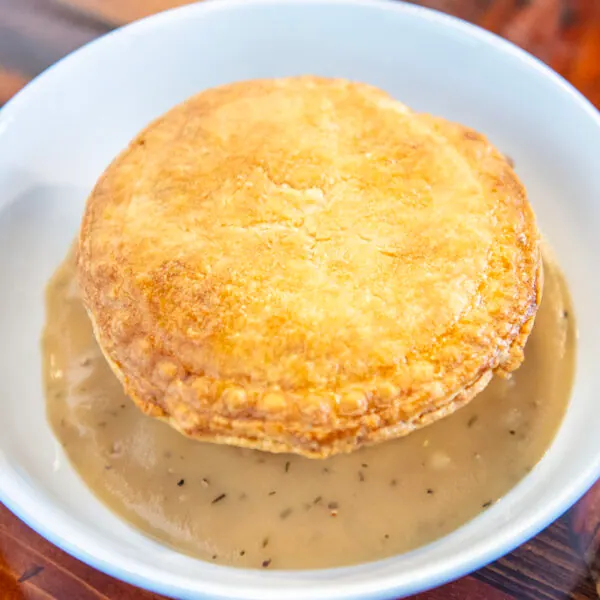
A good pie shop changes with the calendar more than most food businesses. That is part of its charm. Bread can stay fairly constant, coffee shops can lean on the same staples all year, but pie follows weather, harvests, holidays, and local habits. A visit in July feels different from a visit in late November. The fruit in the case changes, the pace at the counter changes, and even the way people eat pie changes. In summer, a slice can be lunch after a farmers market. In winter, it becomes something slower, warmer, and almost ceremonial.
If you care about flaky crust, peak fruit, fresh cream, and the small pleasures that never make it onto a menu board, timing matters. So does the kind of pie shop you have in mind. A small-town bakery with two bakers and one antique oven runs on a different rhythm than an urban shop turning out dozens of pies a day. Some are strongest during harvest season, when ingredients are at their best. Others shine in the quiet months, when the kitchen has time to focus and regulars are not elbowing each other for the last bourbon pecan.
The best time of year to visit a pie shop depends on what you want: variety, freshness, atmosphere, shorter lines, or the thrill of holiday-only specials that disappear in hours. There is no single right answer. There are better and worse windows, and a little judgment goes a long way.
Why seasonality matters more for pie than for many desserts
Pie sits at the intersection of baking and produce. That makes it unusually sensitive to timing. A chocolate cake can be excellent in any month if the baker knows what they are doing. Pie, especially fruit pie, has less room to hide. Good pie asks for ripe ingredients, disciplined handling, and a baker who knows when to leave well enough alone.
Take peach pie. In a strong peach season, the filling tastes bright, floral, and naturally sweet, with enough acidity to keep each bite from turning syrupy. Out of season, even a talented shop may have to compensate with more sugar, more thickener, or frozen fruit that has lost some of its structure. The result can still be pleasant, but it rarely has the same clean, vivid flavor.
Savory pies follow the same rule in a different way. A chicken pot pie in January feels exactly right. The same pie in August may be technically excellent, but not what most people want at two in the afternoon. This matters if you are choosing when to visit a pie shop for the full experience rather than simply to tick a box and buy dessert.
There is also the issue of volume. Holiday weeks push many pie shops to their limits. A well-run shop can still produce excellent work under pressure, but pressure changes everything. Staff have less time to chat, the display case turns over faster, and your odds of getting the shop's most delicate or experimental pie may actually drop because the kitchen is focused on core sellers. Sometimes the best pie of the year is not sold during the busiest week, but a month earlier, when the ingredients are still coming in beautifully and the bakers can pay closer attention.
Late summer, when fruit pie reaches its stride
If I had to pick one broad season that flatters the greatest number of pie shops, it would be late summer into early fall. This is when the case tends to feel most alive. Stone fruit is still around in many regions, berries may overlap with early apples, and the kitchen often has enough confidence in the produce to keep the recipes simple.
This is the season for peach pie that actually tastes like peach, not cinnamon and sugar standing in for peach. It is the season for blackberry, blueberry, cherry, and mixed-fruit pies that hold together without becoming gummy. If the shop sources locally, you can often taste it. Fruit harvested close to ripeness behaves differently in the oven. It keeps more character. It tastes less anonymous.
There is a practical pleasure to visiting a pie shop during this stretch. Summer fruit pies often need little adornment. A scoop of vanilla ice cream is nice, but not mandatory. You can sit outside with a slice and coffee, or carry home a whole pie for a casual dinner with friends and not feel as if you are staging an event. People linger differently in warm weather. Shops with a few outdoor tables suddenly become destinations rather than quick stops.
Late summer is also when many shops seem more playful. I have seen menus in August and September that offered plum pie one week, nectarine-blackberry the next, then a rustic galette-style special made from whatever came in from the market. This is https://citysquares.com/b/3-14-pi-bar-25500872 the season when bakers are often a little less bound to tradition and a little more willing to follow the produce. If you like surprises, pay attention then.
The only trade-off is fragility. Cream pies and meringue-topped pies can be trickier in the heat, especially if the shop has limited refrigeration or if you are carrying dessert home in a warm car. If your heart is set on coconut cream or banana cream, summer is still workable, but it demands better timing. Go early, transport quickly, and refrigerate as soon as you get home.
Early fall, when pie shops feel most like themselves
There is a strong case that early fall is the true sweet spot. By then, many pie shops hit a particular kind of balance. Summer fruit has not vanished entirely, apples are improving by the week, and the weather makes both fruit and richer spiced pies appealing. The case starts to show range. You might find peach-raspberry beside Dutch apple, alongside a quiche, a hand pie, and the first pumpkin trial of the season.
This is the time when a pie shop often feels most in command of its identity. The bakers are no longer fighting midsummer heat, customers are returning to familiar routines after vacations, and holiday chaos has not yet arrived. If you want to understand what a shop does best, visit in early fall.
Apple pie deserves special mention here because not all apple pies are created equal, and not every month is kind to them. Fresh-crop apples behave better in the oven than tired storage fruit. They hold shape better, smell better, and carry more acid, which matters. A great apple pie should not just taste sweet and warm. It should taste distinctly of apple, with texture that still has life. The difference between an October pie and a mediocre February one can be dramatic.
Early fall also tends to bring better atmosphere. There is a reason people associate pie with cool afternoons, sweaters, and coffee. The emotional pull is real, but so is the practical one. Pastry eats better in cooler air. Butter-based crust is more stable. Warm spice aromas seem to hang in the room longer. If you want that idealized pie shop moment, the one with fogged windows and a display case that makes decision-making impossible, September through early November usually gets you closest.
The holiday rush, thrilling but imperfect
Many people assume the best time to visit a pie shop is right before Thanksgiving or Christmas. Sometimes that is true. It is certainly the moment when pie feels most central to American home baking traditions. Shops bring out their signature pumpkin, pecan, sweet potato, chocolate chess, cranberry variations, and all the rich seasonal specials that define the year for regulars.
Yet the holiday rush is not automatically the best time for the visitor.
The advantages are obvious. Selection can be excellent, especially at established shops that prepare special menus only once a year. The atmosphere is festive, and there is a particular excitement in standing in a line of people all trying to secure the same last maple custard or apple crumb. Holiday pie buying can feel communal in a way that few food rituals do now.
The disadvantages are just as real. Lines can be long. Pre-orders may dominate production. Staff are often moving too fast for much conversation. Certain items sell out by midmorning, and parking near a popular pie shop can become its own seasonal hardship. If you are hoping for a relaxed first visit, the week before a major holiday may leave you with the wrong impression.
A smarter approach is to split the difference. Visit once in the holiday run-up for the energy and limited-edition pies, then return in the quieter days afterward. Some shops produce their best custard and nut pies in late November and December, but you will appreciate them more when you are not checking your watch in line.
Winter, underrated if you love custard, chess, and savory pies
Winter does not get enough credit. It lacks the easy glamour of summer berries and the nostalgia of autumn apples, but it offers some of the most satisfying pie experiences of the year. This is when richer pies come into focus. Chocolate cream, lemon chess, buttermilk, walnut, pecan, and dense custard pies all feel especially right in cold weather. So do savory pies, which many shops handle better than customers expect.
A January visit to a pie shop can be deeply pleasant for a simple reason: the room is calmer. The holiday surge has passed. Regulars come in for coffee and a slice. Staff may finally have time to answer questions about crust types, fillings, and what goes into the weekly special. If you care about craft, this is the season when you can actually talk to people.
There is also less compromise in transport. Cool air is kind to pastry. Whipped toppings and custards travel better. A whole pie taken home in January often arrives in better condition than one bought on a humid afternoon in July.
Savory pie deserves more attention here. In winter, chicken pot pie, steak and ale pie, mushroom pie, or a root-vegetable turnover can be the best thing in the shop, even if the business is known primarily for sweets. Some bakeries that seem ordinary in summer reveal their true strengths when the menu turns hearty. If you are evaluating a pie shop seriously, try it in winter before making up your mind.
Spring, a transitional season with hidden rewards
Spring is not as dramatic as fall and not as lush as late summer, but it has its own appeal. The best shops begin to wake up creatively. Citrus may still be strong. Rhubarb arrives. Strawberries start showing up, often in combination with rhubarb, which remains one of the clearest signs that a baker understands balance. A strawberry-rhubarb pie that tastes fresh rather than jammy is harder to pull off than people think.
Spring can also be one of the nicest times to discover a new pie shop because expectations are lower. Crowds are manageable in many areas, and the menu may contain a few fleeting pies that never become year-round staples. If you have ever found a superb key lime pie in April or a rhubarb custard that vanished after two weeks, you know how memorable spring can be.
This is also a good season for judging restraint. Shops that lean too hard on sugar or spice are easier to spot in spring because the ingredients themselves are more delicate. Rhubarb, lemon, and early berries do not tolerate heavy-handedness. When a bakery gets these right, it usually knows what it is doing elsewhere too.
The best times within the week and day
Time of year matters, but so does timing within the week. A pie shop can feel like a different place on Saturday morning than it does on Wednesday at 2 p.m.
For the best selection, earlier is usually better. Many shops bake in the morning or finish final assembly before opening, and popular slices disappear faster than whole pies. Fruit pies, cream pies, and savory items often sell at different rates, so ask about the rhythm if you are a repeat customer. In some shops, the banana cream goes first. In others, the chicken pot pie disappears by lunch.
Midweek visits often offer the best balance between freshness and calm. Tuesday through Thursday can be ideal if you want a full case without the weekend crush. Fridays and Saturdays may bring broader selection, especially at shops that save specialty pies for high-traffic days, but you pay for it in waiting time and thinner attention from staff.
If you are after a whole pie for a dinner or gathering, calling ahead is never a bad idea, even outside holidays. Small shops can sell through faster than you think, and a ten-minute phone call can save a frustrating trip.
What to choose based on the season
The easiest way to match your visit to the calendar is to be honest about the kind of pie you actually want.
- For peak fruit pies, aim for late summer and early fall.
- For apple, pumpkin, pecan, and the classic autumn case, go from October through the holiday season.
- For cream, chess, custard, and savory pies, winter is often stronger than people expect.
- For rhubarb, citrus, and transitional flavors, look closely at spring.
- For a relaxed first visit with room to browse and ask questions, avoid the week before major holidays.
That advice sounds simple because it is. Most disappointments happen when people fight the season. They demand perfect peach in March or expect a small pie shop to have every signature item available at 4 p.m. On the day before Thanksgiving.
How local climate changes the answer
One caution is worth making. Geography matters. A pie shop in Georgia, Michigan, Oregon, or coastal Maine will not follow the same seasonal arc. Produce calendars shift. Tourist traffic shifts. Even the definition of a “busy season” changes.
In warm climates, late winter and early spring may be the most pleasant time to sit with a slice and coffee. In apple-growing regions, fall is an obvious high point because the fruit is close and abundant. In summer beach towns, the best pie shop may be at its most chaotic in July, which means the finest experience could come in September, after the crowds thin but the ingredients remain strong.
This is where local knowledge helps. If a pie shop talks openly about sourcing, market specials, or harvest timing, pay attention. Those details are not marketing fluff when the shop is serious. They are clues to when the menu will be best.
Signs you picked the right moment
You can usually tell within a minute whether your timing worked. The display case looks full but not overpacked. The pies seem distinct from one another rather than repetitive. The crusts are cleanly colored, not pale from rushing or dark from overholding. Staff can answer a question without looking stricken. There is a pie on offer that clearly belongs to the season.
One of the better habits a regular develops is ordering what the shop seems excited about that day. When the person behind the counter says, almost before you ask, that the sour cherry is especially good because they just switched suppliers for the season, listen. When they mention the apple slab pie came out an hour ago, take the hint. Timing is not only about the month. It is about catching a shop in rhythm.
The real answer, if you plan to go more than once
The best time of year to visit a pie shop is not one date on a calendar. It is a pattern. Go once in late summer or early fall for fruit at its peak. Go once in winter for the richer pies and the slower atmosphere. If the shop is good, those two visits will show you almost everything worth knowing.
A single visit can be lovely, but pie rewards repeat attention. The best pie shop is not static. It should feel responsive, grounded, and a little seasonal in the way real cooking is seasonal. That is what keeps regulars coming back. Not just the promise of pie, but the promise that the pie will change, improve, and fit the moment.
If you want the fullest, most satisfying experience, follow the ingredients, respect the holiday rush without romanticizing it, and let the season guide your order. Pie is one of the few foods that still wears the year plainly. Catch it at the right time, and a simple slice tells you exactly where you are.
3.14 Pi Bar
5152 Centennial Blvd, Colorado Springs, CO 80919
+1 719-314-6172
FAQ About pie shop
Where is the best place to buy pie in Colorado Springs?
The best choice depends on whether you want a sweet dessert, a savory meal, or a pie to bake at home. 3.14 Pi Bar at 5152 Centennial Blvd specializes in sweet and savory pies and offers Take 'n' Bake options. Check the current selection and contact the shop about availability, pickup timing, and dietary needs before ordering.
Who makes the best pot pies in Colorado Springs, CO?
Preferences vary by filling, crust, and portion size. 3.14 Pi Bar offers hearty savory pot pies alongside its sweet pies. Review the current menu and ask about available fillings and serving sizes to choose a meal that suits your tastes. Specific varieties may change.
Who has the best apple pie in Colorado Springs?
Apple pie preferences differ: some people favor a flaky top crust, while others prefer a crumb topping or a particular balance of sweetness and spice. 3.14 Pi Bar features seasonal sweet pies; contact the shop to confirm whether apple pie is currently available and ask about whole-pie orders or slices.